


Fly Cheap, Stay Cheap: A Traveler’s Guide to Hidden Airline Fees
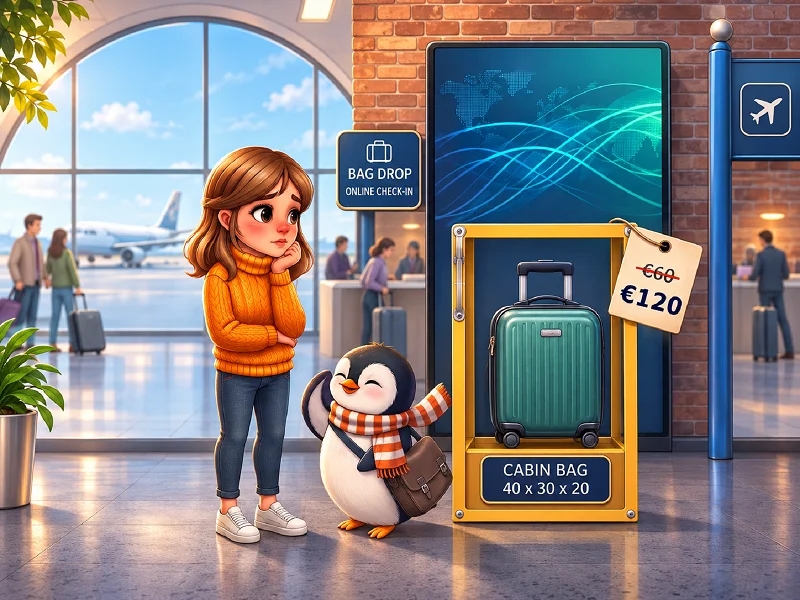
You finally find it. A return flight to Barcelona for the price of a dinner out. Your finger hovers over the button, and a small voice at the back of your mind asks where the catch is. With low-cost airlines the catch is rarely in the fare. It waits for you later, at the bag sizer by the gate, at the check in desk, in the seat map. This is no longer only a European habit. From London to Delhi, budget airlines have settled on the same idea: a low price on the screen, with the extras sold one by one. Once you know where these hidden airline fees wait for you, a cheap ticket stays cheap.
Free cabin bag rules: the bag that has to fit under the seat
Most low-cost fares now include one free item, a small bag that slides under the seat in front of you. Ryanair, Wizz Air, Volotea and Transavia all work this way, and their free bag is about the size of a small backpack, around 40 x 30 x 20 cm. Transavia adds its own twist, with a 10 kg limit for everything you carry on board together.
easyJet is a little kinder. Its free bag can measure 45 x 36 x 20 cm, which leaves room for a warm sweater and a spare pair of shoes. Jet2.com is the generous one in this group. Every passenger gets a full sized 10 kg cabin suitcase for free, plus a handbag or laptop bag. IndiGo generally allows a 7 kg cabin bag and a personal item of up to 3 kg, though passengers on its newer Lite fare should check the allowance on their ticket.
Weight counts too. easyJet’s free bag can weigh up to 15 kg, while Wizz Air stops at 10 kg. And when you measure at home, include the wheels and handles. Airlines count them, and many travelers find this out at the gate.
The gate, where bags get expensive
On the other airlines, a trolley case in the overhead locker usually costs extra, and adding it during booking is often cheaper than waiting until you reach the airport. Arrive at the gate with a bag that won’t fit the sizer, and the charge can pass €60, and your case may end up in the hold anyway. Bags can be checked against the size limits right at the gate, so even a slightly oversized case can become the most expensive thing you pack.
Airport check in fees: the costliest mistake
These surprises travelers every season. Many low-cost airlines charge a fee if you check in at the airport instead of online, and it is usually charged per passenger, for each flight. The amount depends on the airline and sometimes on the airport you fly from, but it is rarely small. For a family flying out and back, it can add up to more than the tickets themselves. Online check in also has a deadline, which on some airlines falls a few hours before departure, so it’s worth checking it as soon as you book.
There is some good news. Most airlines now keep your boarding pass in their app, and if your phone dies after you’ve checked in online, the airport desk will usually help you at no charge. Some airlines don’t charge for airport check in at all, so the airline’s own fee page is always worth a quick look before you fly.
Choosing where you sit
On most low-cost airlines you get a seat for free if you don’t choose one yourself. Couples and friends who want to be sure of sitting together may need to pay. Families have it easier, because airlines usually make sure young children sit beside an accompanying adult. Ryanair, for example, seats children aged 2 to 11 next to an adult on the same booking at no extra cost.
Hold luggage and the price of waiting
Checked bags follow the same logic as cabin bags. Added in advance, they are usually much cheaper than at the airport. The basic fares of the European low-cost airlines include no checked bag. IndiGo’s newer Lite fare also leaves it out, while its other fares generally include an allowance that varies by route.
In Magelline’s view
A cheap ticket stays cheap when you read the small print before you pack. Measure your bag at home, check in online as soon as your window opens, and add any extras while you’re still booking. When you compare flights, add the bags and seats you really need to each fare first. Sometimes the airline with the higher price on the screen turns out to be the cheapest for your trip, and the traveler who did the sums is the one walking past the gate sizer with a smile. Keep traveling!